An hour and forty minutes from Nairobi city centre, Lake Naivasha sits in the southern Rift Valley at 1,884 metres above sea level — the highest freshwater lake in East Africa. It holds one of the densest hippo populations on the continent. The papyrus-lined shores attract over 400 bird species. Crescent Island, connected to the main shore by a sand spit, is a private sanctuary where you walk among giraffe, zebra, and wildebeest with no fence between you and the animals.
This guide covers everything you need to plan a Naivasha visit properly: what to do, when to go, how to combine it with Hell’s Gate or Lake Nakuru, and how to make the most of the water-level wildlife experience.
What Makes Lake Naivasha Different
Most Kenya safari destinations centre on game drives in open savannah. Naivasha is built around water. The lake itself is the destination, and the wildlife experience changes depending on whether you are in a boat, on foot, or driving the lakeshore road.
Why travellers choose Naivasha:
- A boat safari puts you at water level among hippos, African fish eagles, and pelicans at distances impossible from shore
- Crescent Island walking safari is one of the few places in Kenya where you walk freely among large mammals without a fence
- The lake is 90 minutes from Nairobi, making it practical for travellers with limited time
- Hell’s Gate National Park is 5 kilometres from the main lake access point, making combinations natural
- The lake ecosystem supports extraordinary bird diversity including the African jacana, malachite kingfisher, and African darter
Wildlife at Lake Naivasha:
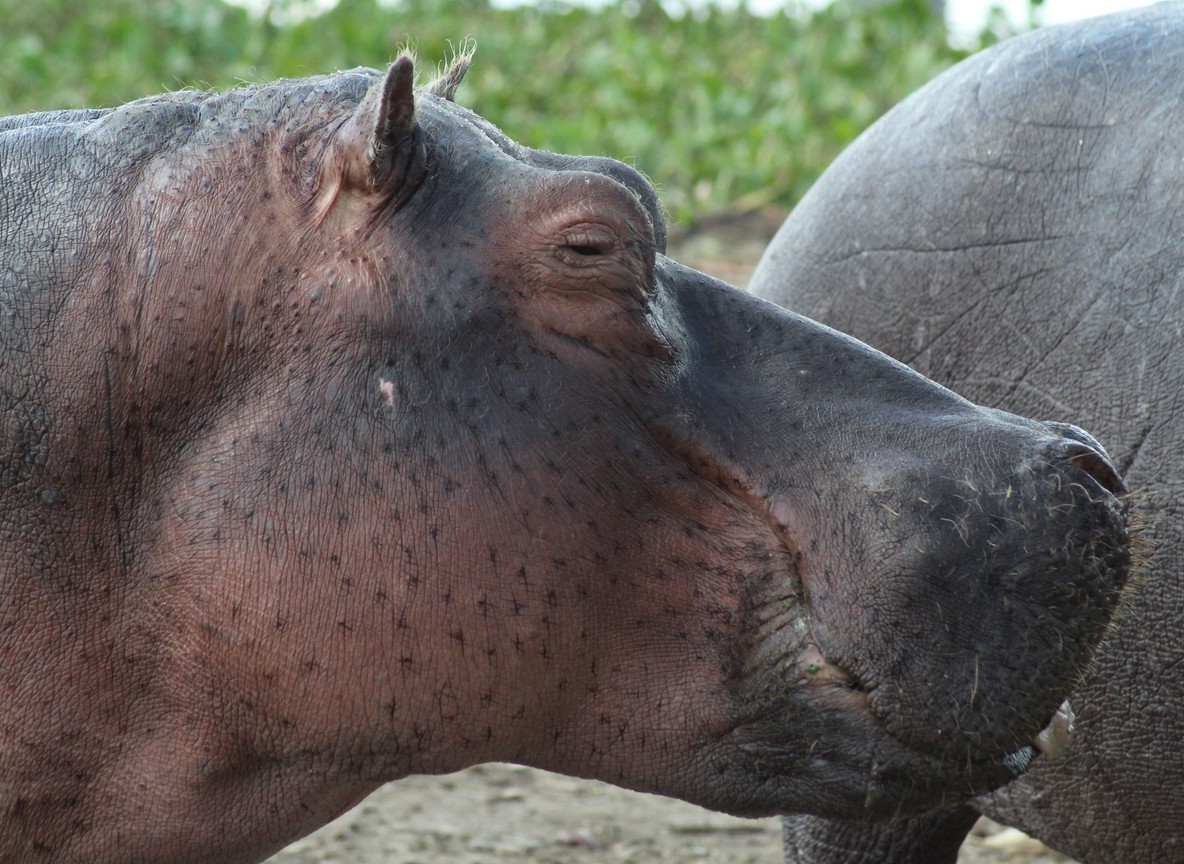
- Common hippopotamus (estimated 500 to 800 individuals)
- African fish eagle
- Grey-crowned crane
- Maasai giraffe (on Crescent Island and the lakeshore)
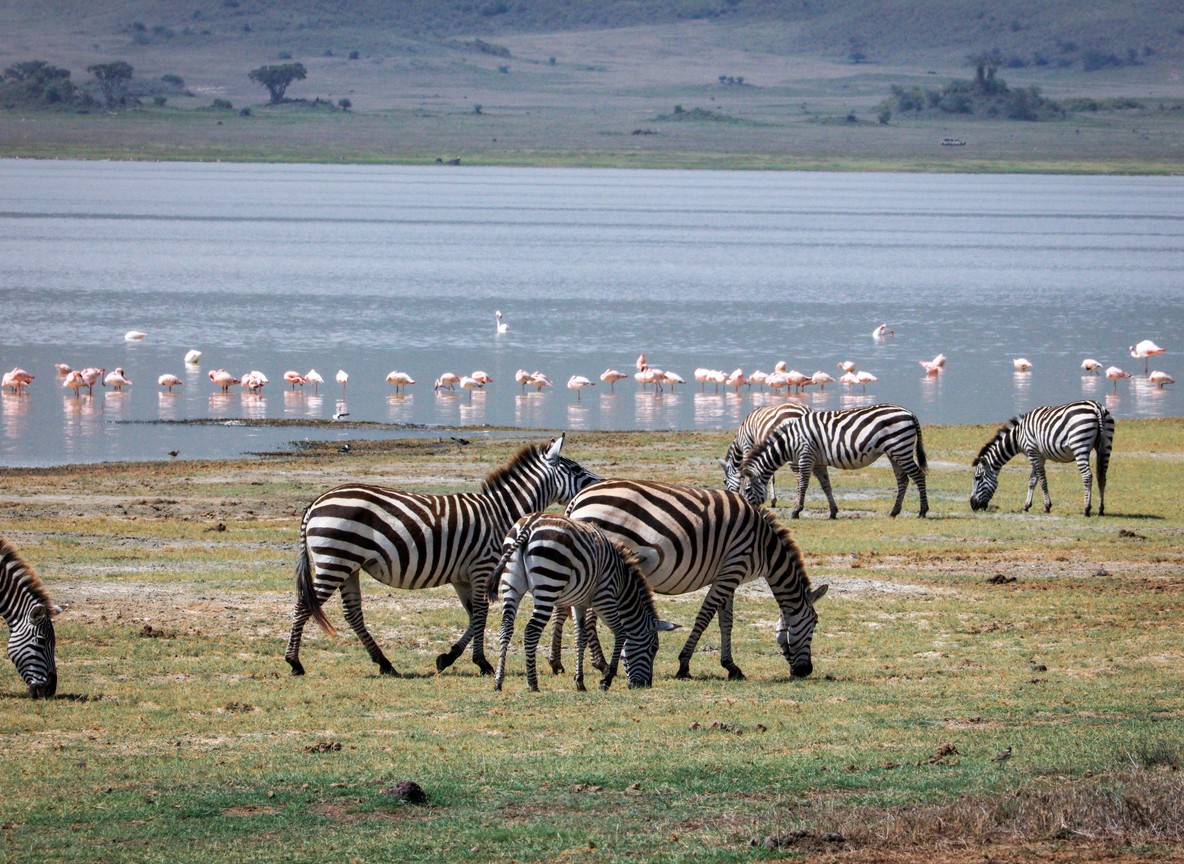
- Plains zebra (Crescent Island)
- Waterbuck (commonly seen swimming between shore and island)
- Colobus monkey (in the fever tree forest near the shore)
- Over 400 recorded bird species
The hippo population is the most reliable large mammal sighting. They rest in the shallows throughout the day and emerge to graze at dusk. Dawn and late afternoon boat trips give the best viewing and photography light.
Lake Naivasha Boat Safari: What to Expect
Boat trips run from the main launch at Fisherman’s Camp or Elsamere. Standard trips last 1 to 1.5 hours, though longer private charters are available.
What a standard boat safari covers:
The skipper navigates close to hippo pods in the shallower northern bays, where 20 to 50 hippos can be visible at once. The boat pauses at fish eagle nests along the papyrus edge — the African fish eagle’s call is one of the most iconic sounds in Kenya, and seeing them plunge for prey at close range from a boat is a genuinely memorable moment.
The course then circles toward Crescent Island for views of the giraffe and zebra herds on the island’s open plains. Many itineraries combine the boat trip with a one to two hour walking safari on Crescent Island.
Practical boat safari details:
| Item | Detail |
|---|---|
| Trip duration | 60 to 90 minutes standard |
| Best departure times | 07:00 (best light), 16:30 (hippos most active) |
| Boat capacity | 6 to 8 persons standard; private charters available |
| Cost per person | KES 1,500 to 2,500 (standard boat) |
| Best months | Year-round; June to September has clearest light |
Private charters give you your own skipper with the flexibility to stay longer at hippo pods or bird hotspots rather than following a group schedule.
Crescent Island Walking Safari
Crescent Island is a privately managed wildlife sanctuary on a peninsula connected to the Naivasha lakeshore by a shallow sand causeway. Access is by boat or, in dry season, via the causeway on foot or vehicle.
The island holds a free-roaming population of Maasai giraffe, plains zebra, eland, wildebeest, Colobus monkey, and waterbuck. There are no predators, which means you walk freely with a guide among the animals at ground level.
The walking safari on Crescent Island typically takes 1.5 to 2 hours and covers the island’s open grassland circuit. Sightings are consistent. The giraffe here are accustomed to people on foot and approach closely. The island also appeared in the film “Out of Africa” and retains the open, cinematic quality of that era’s landscape photography.
What the walking safari covers:
- Open grassland with Maasai giraffe in small herds (5 to 15 individuals)
- Zebra and wildebeest in mixed groups along the lakeshore edge
- Colobus monkey troops in the fever trees near the causeway
- A bird list that often exceeds 40 species in a single morning walk
- Views back across the lake to the escarpment — exceptional conditions for landscape photography
This is a genuinely calm, quiet wildlife experience. No vehicle engine noise, no crowds. For travellers who find full-day game drives tiring, the Crescent Island walk and boat safari combination delivers high-quality sightings in under three hours.
Combining Lake Naivasha With Hell’s Gate
Hell’s Gate National Park sits 5 kilometres from the main Naivasha lake access and is one of Kenya’s most unusual parks. Unlike most Kenya wildlife areas, Hell’s Gate allows walking and cycling on unmaintained tracks through gorges and past geothermal steam vents.
The park holds plains game — zebra, buffalo, giraffe, baboon, eland — that travellers encounter on foot or from a bicycle hired at the gate. The main gorge walk descends through narrow basalt canyons carved by prehistoric river systems. Lammergeier vultures nest on the cliff faces of Hell’s Gate’s Fischer’s Tower — a distinctive basalt column that features as a landmark on the park entrance road.
A Naivasha day trip that includes a morning boat safari, a Crescent Island walk, and an afternoon at Hell’s Gate covers three entirely different wildlife experiences in a single day. This combination is one of the most efficient ways to use a short Kenya visit for genuine wildlife contact.
Lake Naivasha and Lake Nakuru: Combining Two Rift Valley Lakes
The lake nakuru-naivasha combination is one of the most popular multi-day routes in the Rift Valley circuit. The two lakes are 60 kilometres apart on the same highway and offer complementary ecosystems: Naivasha is freshwater, intimate, and centred on water-level wildlife; Nakuru is alkaline, larger, and home to rhinos, leopards, and flamingo flocks.
Sample 3-day Rift Valley circuit:
| Day | Activity |
|---|---|
| Day 1 | Nairobi to Lake Naivasha; afternoon boat safari and Crescent Island walk |
| Day 2 | Morning Hell’s Gate cycling safari; afternoon drive to Lake Nakuru; evening game drive |
| Day 3 | Full-day Lake Nakuru (rhinos, flamingos, Baboon Cliff); return to Nairobi |
This circuit covers two very different lake ecosystems, the only cycling safari in Kenya, and rhino viewing — all within 90 minutes of Nairobi at the furthest point. It suits travellers who want maximum variety across a short itinerary.
Day Trip to Lake Naivasha From Nairobi
A Naivasha day trip is easily done in 8 to 9 hours and covers the boat safari and Crescent Island walking safari without an overnight stay. This works well for travellers on tight schedules or those adding Naivasha to a Nairobi-based itinerary.
Day trip schedule:
- 06:30 — Depart Nairobi
- 08:15 — Arrive Lake Naivasha; coffee at Fisherman’s Camp
- 08:30 to 10:00 — Boat safari (hippos, fish eagles, papyrus shoreline)
- 10:00 to 12:00 — Crescent Island walking safari
- 12:30 — Lunch at Elsamere or lakeside restaurant
- 14:00 — Optional Hell’s Gate cycling or gorge walk
- 17:30 — Depart for Nairobi
- 19:00 — Arrive Nairobi
Adding Hell’s Gate makes the day longer and more varied. Families with young children may prefer to skip it and return to Nairobi earlier.
Where to Stay at Lake Naivasha
Overnight options range from budget campsites to boutique lodges along the Moi South Lake Road.
| Type | Price Range Per Person | Example Properties |
|---|---|---|
| Budget camping | $15 to $40 | Fisherman’s Camp, Crayfish Camp |
| Mid-range guesthouse | $80 to $150 | Crater Lake Tented Camp area |
| Mid-range lodge | $120 to $200 | Loldia House, Olerai House |
| Luxury lodge | $250 to $500 | Chui Lodge, Mundui Estate |
Staying overnight at Naivasha gives you the early morning boat safari in the best light (06:30 to 08:30) when hippos are most active and the lake surface is glass-calm. This window is difficult to access on a day trip from Nairobi.
Practical Information: Getting to Lake Naivasha
By road from Nairobi: 90 to 100 minutes on the A104 highway through Naivasha town. The road climbs the Rift Valley escarpment — there is a dramatic viewpoint just before the descent — and is in good condition year-round.
What to bring:
- Sunhat and sunscreen (lake-level UV is intense)
- Binoculars (essential for birding and identifying distant hippo pods)
- Camera with zoom lens (boat safari opportunities reward reach)
- Light jacket (morning lake air is cool)
- Waterproof bag for camera equipment (boat spray is real)
Site fees (2026): Crescent Island entry is $20 per person. KWS fees apply for Hell’s Gate if combined. Boat hire is charged separately and payable at the launch site.
Best Time to Visit Lake Naivasha
Naivasha is accessible year-round. The key seasonal consideration is not wildlife but visitor numbers and lake conditions.
June to September offers the clearest light, the calmest lake water, and the most settled weather for boat trips and outdoor activity. This is the most popular period and the busiest for the lake’s accommodation.
January to February is excellent — the short dry season delivers clear skies and good hippo viewing, and these months are significantly quieter than peak season.
April and May (long rains) bring the lushest landscape, excellent birding as migratory species are present, and the lowest accommodation rates. Afternoon boat trips can be affected by wind and light rain, but morning conditions are usually fine.
October to December (short rains) is a good shoulder period — rates are lower than peak season, bird diversity is high, and wildlife viewing remains strong.
For broader context on Kenya’s seasonal patterns and how they affect travel planning across the country, see touringinsights.com/kenya-weather-climate-guide-best-time-to-visit.
Prefer a different route, budget, or travel style? This plan can be adapted to fit.
Customise Your TripFurther reading
More safari planning resources
- Rift Valley lakes map from Valley Safaris
- Compare Kenya safari packages on FindMySafari
- Best time to visit Kenya month-by-month map from Valley Safaris
- Wildebeest migration route map from Valley Safaris
Related guides: Best Amboseli Safari for Families From Nairobi.